SUPPORT & RESOURCES
Available resources to help manage your XYWAV patients
Here you can find informative videos to watch, helpful PDFs to download, and relevant patient profiles to explore.

Hear from patients
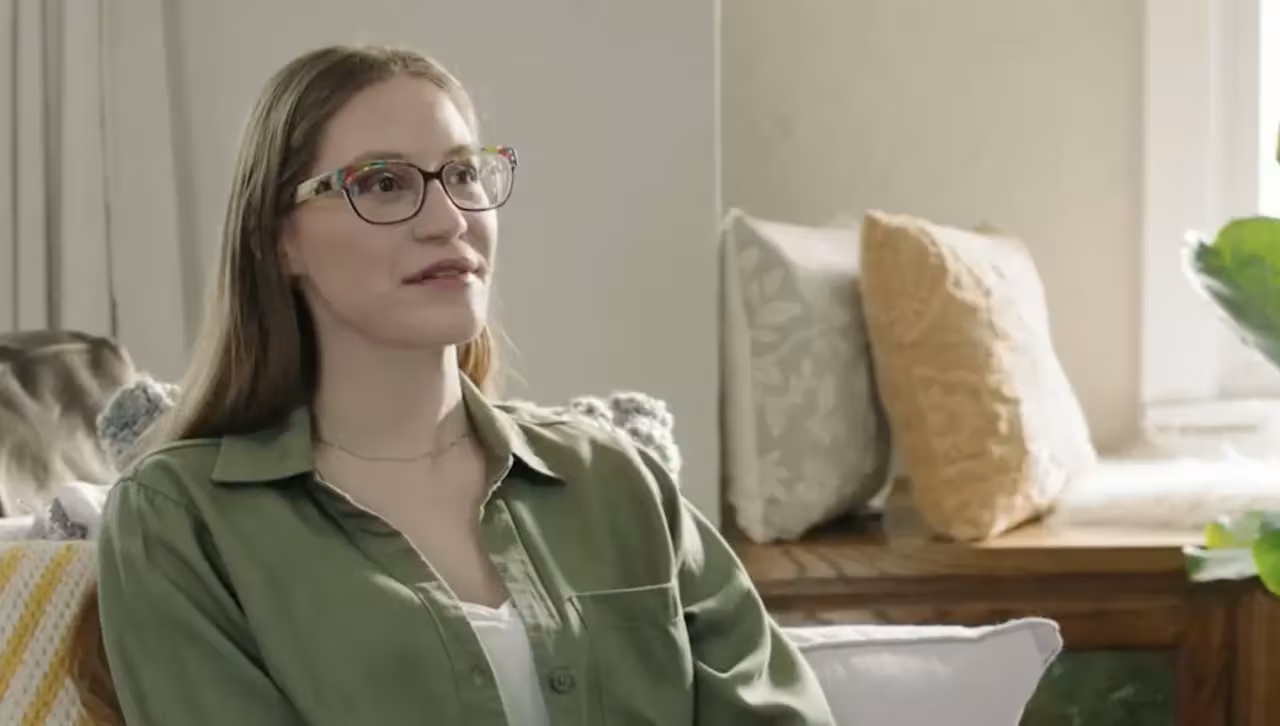
Brooke's journey to XYWAV
Watch Brooke talk about her diagnosis and discuss transitioning from XYREM® (sodium oxybate) oral solution to XYWAV.
Compensated for her time.
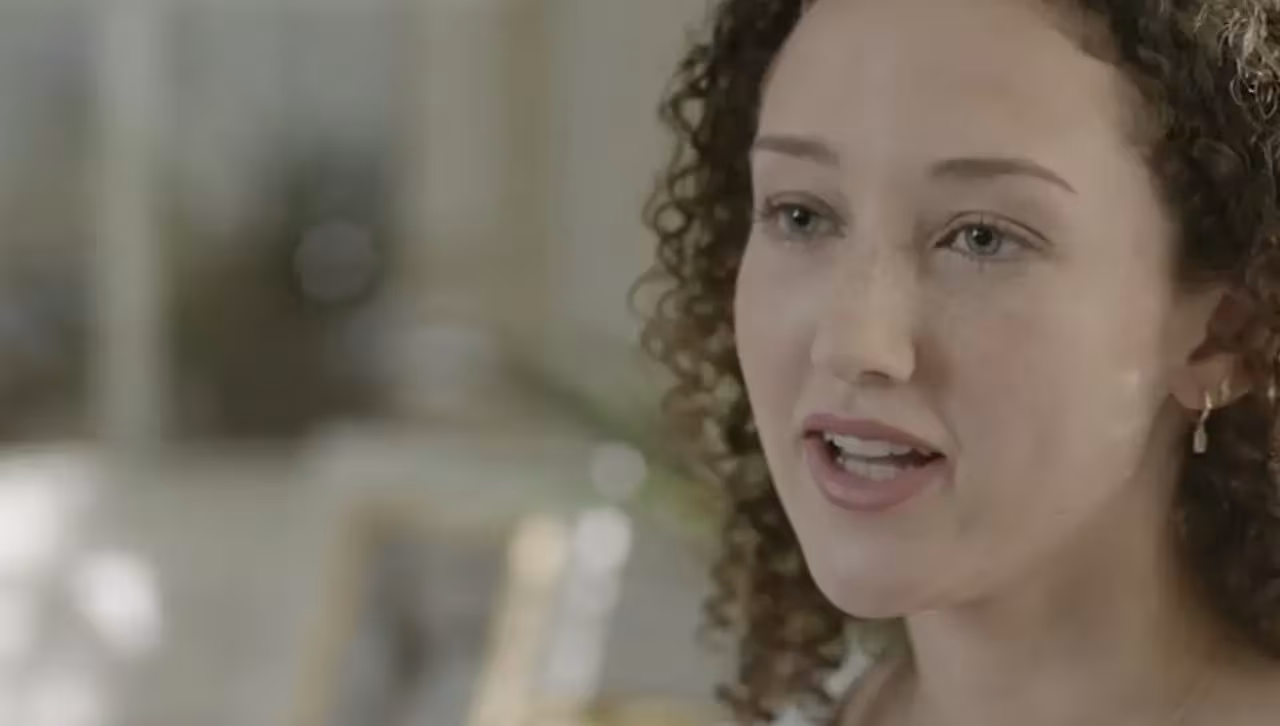
Grace's transition to XYWAV
Learn about Grace's journey to diagnosis and transition to XYWAV.
Compensated for her time.
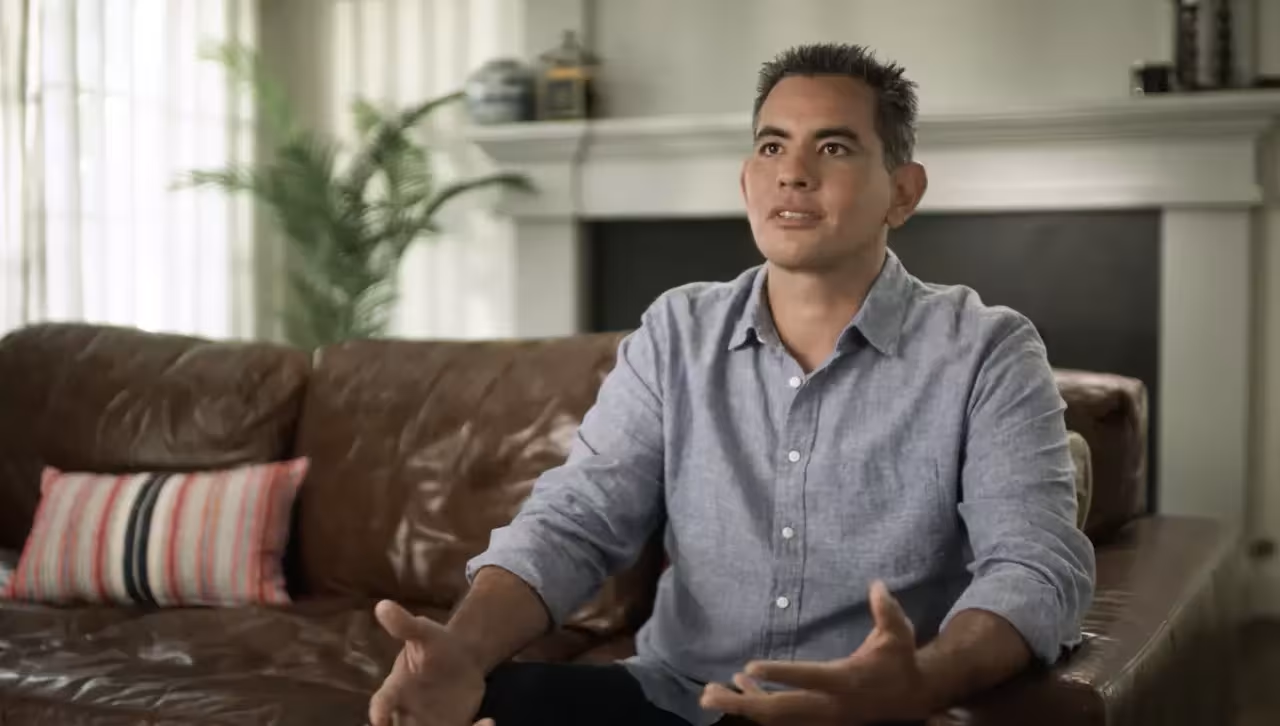
Meet Oscar
Oscar discusses his long journey to getting a narcolepsy type 1 diagnosis and his concern about sodium intake.
Compensated for his time.
Hear from peers

Evaluating a patient's potential comorbidities
Hear a cardiologist's thoughts on how to evaluate patients' risk of comorbidities.
Compensated for their time.

Impact of a low‑sodium oxybate on treatment
Find out what having a low-sodium* oxybate option means for patients 7 years of age and older with cataplexy and/or EDS in narcolepsy.
Compensated for their time.
*XYWAV contains 131 mg of sodium at the maximum recommended 9-g nightly dose.1
Starting patients on XYWAV?
JazzCares® is here to help support your patients throughout their treatment journey.
Reference:
- Chen C, Jenkins J, Zomorodi K, Skowronski R. Pharmacokinetics, bioavailability, and bioequivalence of lower-sodium oxybate in healthy participants in two open-label, randomized, crossover studies. Clin Transl Sci. 2021;14(6):2278-2287.
Explore these patient profiles to identify if XYWAV may be right for your patients.
Actor Portrayal
Meet Emily
Meet Emily
Diagnosed with narcolepsy type 1 and has a family history of cardiovascular disease. Satisfied with improvement in her EDS and cataplexy with high-sodium oxybate oral solution and is resistant to transitioning to XYWAV.
- Age: 27
- Sex: Female
- BP: 135/80 (normal: <120/80)1
- Total cholesterol: 205 mg/dL (good: <200)2
- Family health history: High incidence of cardiovascular disease
- Lifestyle: Single, socially active, sometimes travels for work
My doctor would like to switch me from high‑sodium oxybate oral solution to XYWAV. He says my current medication has a lot of sodium, but it works well for my EDS and cataplexy, so I’d rather not take something else instead.
Clinical History
- Diagnosed with narcolepsy type 1 at age 16
- Epworth Sleepiness Scale (ESS) score decreased from 20 to 17 while taking stimulants
- Was prescribed XYREM, a high‑sodium oxybate, at age 23. Not taking other concomitant medications
- Most recent ESS score: 12; 6 cataplexy-free days/week
- Family history of hypertension and hypercholesterolemia; her BP has been rising over the past several years. No history of hepatic impairment
Why should Emily consider the excessive sodium content in her nightly dose of XYREM?
On her last return visit, her physician told her:
- A 9-g nightly dose of high‑sodium oxybate adds ~1640 mg of sodium to her daily sodium intake.3 The AHA recommends an ideal daily sodium intake of no more than 1500 mg/day for most adults4
- XYWAV has 131 mg of sodium per maximum 9-g nightly dose.5 High‑sodium oxybates have ~1640 mg of sodium in a 9-g dose—a difference of ~1509 mg every single day3,6
- The FDA determined XYWAV is clinically superior to XYREM, a high‑sodium oxybate, due to greater cardiovascular safety because the reduction in sodium burden at recommended doses will help a substantial proportion of patients reduce the risk of developing cardiovascular disease7*
*Based on a determination of Orphan Drug Exclusivity by the FDA Office of Orphan Products Development (OOPD) between XYWAV and XYREM.7 There are no head-to-head data for XYWAV and XYREM.

Choosing XYWAV over high‑sodium oxybates is a safer option for your patients like Emily, because it will reduce CV morbidity due to the reduction in chronic sodium burden.7
A clinical trial comparing the efficacy and safety of XYWAV and XYREM has not been conducted.

Interested in learning more about a patient on stimulants who is still experiencing cataplexy and EDS?

Actor Portrayal
Meet Ashley
Meet Ashley
Diagnosed with narcolepsy type 2. Has no comorbidities, currently treated with a stimulant, and still struggling with excessive daytime sleepiness (EDS). No family history of cardiovascular or hepatic disease.
- Age: 31
- Sex: Female
- BP: 120/80 (normal: <120/80)1
- Total cholesterol: 175 mg/dL (good: <200)2
- Lifestyle: Married, full-time mom, weekends devoted to family activities
My EDS started in grade school, and I wasn’t diagnosed until my late teens. I’ve tried different doses of different wake-promoting agents (WPAs) and stimulants but am still sleepy during the day.
Clinical History
- First reported EDS at age 10; diagnosed with narcolepsy type 2 at age 19
- Prescribed WPAs and stimulants, but still experiences EDS
- Currently treated with a stimulant and is not taking any other medications
- Most recent Epworth Sleepiness Scale (ESS) score: 18 (21 at diagnosis)
- No family history of cardiovascular disease or hepatic impairment
Why should Ashley’s physician consider adding XYWAV, instead of a high‑sodium oxybate like XYREM® (sodium oxybate) oral solution, to Ashley’s treatment plan?
On her last return visit, her physician told her:
- Her stimulant may cause a modest increase (2-4 mmHg) in blood pressure, and a study showed that people with narcolepsy are already 2.6x more likely to experience heart failure* and 2.5x more likely to experience stroke8,9*
- XYWAV has 131 mg of sodium per maximum 9-g nightly dose.5 High‑sodium oxybates have ~1640 mg of sodium in a 9-g dose—a difference of ~1509 mg every single day3,6
- The FDA determined XYWAV is clinically superior to XYREM, a high‑sodium oxybate, due to greater cardiovascular safety because the reduction in sodium burden at recommended doses will help a substantial proportion of patients reduce the risk of developing cardiovascular disease7†
*Odds ratios: heart failure (95% CI) 2.6 (2.3, 2.9); P‑value <0.0001; stroke (95% CI) 2.5 (2.3, 2.7); P‑value <0.0001.8
†Based on a determination of Orphan Drug Exclusivity by the FDA Office of Orphan Products Development (OOPD) between XYWAV and XYREM.7 There are no head-to-head data for XYWAV and XYREM.

For your patients like Ashley, who are still experiencing EDS on WPAs and stimulants, and have a higher CV risk due to narcolepsy, consider prescribing XYWAV, the first and only low-sodium‡ oxybate.5,8,10-12
‡XYWAV contains 131 mg of sodium at the maximum recommended 9-g nightly dose.5

Interested in learning more about a patient concerned with her family history of heart disease while taking XYREM, a high‑sodium oxybate?

Actor Portrayal
Meet Sarah
Meet Sarah
Diagnosed with narcolepsy type 1; satisfied with the efficacy of high‑sodium oxybate; concerned about cardiovascular health but not aware of the high sodium content in her current sodium oxybate oral solution treatment.
- Age: 25
- Sex: Female
- BP: 130/90 (normal: <120/80)1
- Total cholesterol: 160 mg/dL (good: <200)2
- Family health history: Some incidence of coronary heart disease and hypertension
- Lifestyle: Single; has a full-time office job; health‑conscious; would like to be able to socialize after work more often
I've been taking an oxybate treatment for about 5 years, and it's helped with my cataplexy and excessive daytime sleepiness.3 While I try my best to eat healthily and work out regularly, I'm concerned about my family history of heart disease and blood pressure.
Clinical History
- Diagnosed with narcolepsy type 1 at age 20
- Has been taking XYREM® (sodium oxybate) oral solution, a high‑sodium oxybate, for the past 5 years
- Her Epworth Sleepiness Scale (ESS) score decreased from 16 to 13
- Frequency of cataplexy attacks decreased from 23 to 7 per week
- Some incidence of cardiovascular events in her family
- Sarah is health-conscious but not aware of the high sodium content of her current treatment
Why should Sarah consider the excessive sodium content in her nightly dose of high‑sodium oxybate oral solution?
Sarah is concerned about her cardiovascular health considering the prevalence of heart disease in her family and is looking for ways to modify her risk for cardiovascular disease. In addition, on her last return visit, her physician told her:
- A study showed* that people with narcolepsy are 2.6x more likely to experience heart failure† and 2.5x more likely to have a stroke8‡
- The FDA determined XYWAV is clinically superior to XYREM, a high‑sodium oxybate, due to greater CV safety because the reduction in sodium at recommended doses will help a substantial proportion of patients reduce the risk of developing CV disease7§
- High‑sodium oxybates, including XYREM and LUMRYZ™ (sodium oxybate) for extended‑release oral suspension, have ~1640 mg of sodium in a 9-g dose3,6
- XYWAV has only 131 mg of sodium per maximum 9-g nightly dose—a difference of ~1509 mg every single day at the equivalent dose3,5,6
- Since narcolepsy is a chronic disorder, Sarah will need to be on treatment the rest of her life in order to manage her cataplexy and excessive daytime sleepiness (EDS)13
*This study compared 9312 adults with narcolepsy to 46,559 similar adults without narcolepsy.
†Odds ratio (95% CI) 2.6 (2.3, 2.9); P‑value <0.0001.
‡Odds ratio (95% CI) 2.5 (2.3, 2.7); P‑value <0.0001.
§Based on a determination of Orphan Drug Exclusivity by the FDA Office of Orphan Products Development (OOPD) between XYWAV and XYREM.7 There are no head-to-head data for XYWAV and XYREM.
Choosing XYWAV over high‑sodium oxybates—including LUMRYZ— is a safer option for your patients because it will reduce CV morbidity in a substantial proportion of patients due to the reduction in chronic sodium burden.14
A clinical trial comparing the efficacy and safety of XYWAV and LUMRYZ has not been conducted.
Do you see patients in your practice like Sarah who are on a high‑sodium oxybate oral solution? Transition them to XYWAV, the first and only low-sodium oxybate for the treatment of cataplexy and/or excessive daytime sleepiness in patients ages 7 and older with narcolepsy.5,15
Interested in learning more about a patient with narcolepsy type 2 considering a non‑stimulant medication?

Actor Portrayal
Meet Tanya
Meet Tanya
Diagnosed with narcolepsy type 2; not satisfied with stimulant as she is still struggling with excessive daytime sleepiness (EDS); looking for a non‑stimulant medication.
- Age: 32
- Sex: Female
- BP: 140/90 (normal: <120/80)1
- Total cholesterol: 200 mg/dL (good: <200)2
- Family health history: High incidence of hypercholesterolemia and high blood pressure
- Lifestyle: Married with a child; part‑time nurse; busy schedule with responsibilities that vary from day to day
I'm an on-the-go mom, and work part time as a nurse. My doctor has prescribed various wake‑promoting agents for my narcolepsy, but I still get extremely tired during the day. I want to explore other options to help treat my excessive daytime sleepiness.
Clinical History
- Diagnosed with narcolepsy type 2 at age 30
- Has been taking a wake‑promoting agent (WPA) for about 1.5 years, but Epworth Sleepiness Scale (ESS) score only decreased from 18 to 16
- Still experiences EDS, especially worsening on days when she has to wake up earlier
- Significant incidence of hypercholesterolemia in her family leading to cardiovascular events, and her BP has been getting higher lately
- Tanya is aware of the harmful effects of excessive sodium and is trying to keep her dietary intake low
Why choose XYWAV for patients like Tanya who are still experiencing EDS while taking stimulants?
INDIVIDUALIZED DOSING CAN HELP OPTIMIZE AND TAILOR TREATMENT FOR EACH PATIENT
Tanya's physician has the option of individualizing doses to help optimize and tailor treatment to Tanya's needs15
- Tanya's dosage was initiated at 4.5 g per night orally, divided into 2 doses: 2.25 g taken at bedtime and 2.25 g taken 2.5 to 4 hours later
- Her physician increased the dosage by 1.5 g per night, divided into 2 doses, for a total of 3 g per each dose
- XYWAV may be titrated up by 1.5 g per night per week
- Tanya's dosage was then titrated up by 1 g per night, divided into 2 doses, for a total of 3.5 g each, in order to meet her needs*
- Titration steps can be as precise as 0.25 g to help optimize treatment for each patient
- Some patients may achieve better responses with unequal doses at bedtime and 2.5 to 4 hours later
- The time between the first and second doses can be individualized from 2.5 to 4 hours
*Doses higher than 9 g per night have not been studied and ordinarily should not be administered.
Why should Tanya's physician consider adding XYWAV, instead of a high‑sodium oxybate like XYREM® (sodium oxybate) oral solution, to Tanya's treatment plan?
- The FDA determined XYWAV is clinically superior to XYREM, a high‑sodium oxybate, due to greater cardiovascular (CV) safety because the reduction in sodium at recommended doses will help a substantial proportion of patients reduce the risk of developing CV disease7†
- Since Tanya has been diagnosed with narcolepsy type 2, she is being closely monitored by her cardiologist. Furthermore, with the prevalence of hypercholesterolemia and high blood pressure in her family, her blood pressure has been rising above the normal range in the recent years
†Based on a determination of Orphan Drug Exclusivity by the FDA Office of Orphan Product Development (OOPD) between XYWAV and XYREM. There are no head-to-head data for XYWAV and XYREM.
Do you see patients in your practice like Tanya who have been unresponsive to WPAs and stimulants? Consider XYWAV instead of high‑sodium oxybates.

References:
- American Heart Association. Understanding blood pressure readings. Updated May 30, 2023. Accessed April 1, 2025. https://www.heart.org/en/health-topics/high-blood-pressure/understanding-blood-pressure-readings
- High cholesterol: overview. In: InformedHealth.org. Institute for Quality and Efficiency in Health Care (IQWiG); 2006-. Updated September 7, 2017. Accessed April 1, 2025. https://www.ncbi.nlm.nih.gov/books/NBK279318/
- XYREM® (sodium oxybate). Prescribing Information. Palo Alto, CA: Jazz Pharmaceuticals, Inc.
- American Heart Association. Why should I limit sodium? Accessed April 1, 2025. https://www.heart.org/-/media/files/health-topics/answers-by-heart/why-should-i-limit-sodium.pdf?la=en
- Chen C, Jenkins J, Zomorodi K, Skowronski R. Pharmacokinetics, bioavailability, and bioequivalence of lower-sodium oxybate in healthy participants in two open-label, randomized, crossover studies. Clin Transl Sci. 2021;14(6):2278-2287.
- LUMRYZ™ (sodium oxybate) for extended-release oral suspension. Prescribing Information. Chesterfield, MO: Avadel CNS Pharmaceuticals, LLC.
- US Department of Health and Human Services, US Food and Drug Administration website. Clinical superiority findings. Accessed April 1, 2025. https://www.fda.gov/industry/designating-orphan-product-drugs-and-biological-products/Superiority-Findings-findings
- Black J, Reaven NL, Funk SE, et al. Medical comorbidity in narcolepsy: findings from the Burden of Narcolepsy Disease (BOND) study. Sleep Med. 2017;33:13-18.
- Dexedrine® (dextroamphetamine sulfate). Prescribing Information. Research Triangle Park, NC: GlaxoSmithKline.
- Ben-Joseph RH, Saad R, Black J, et al. Cardiovascular Burden of Narcolepsy Disease (CV-BOND): a real-world evidence study. Sleep. 2023;46(10):zsad161.
- Riaz M, Bhattacharjee R, Lo-Ciganic W, et al. Narcolepsy and Risk of Cardiovascular Outcomes Beyond Stimulant Use. Sleep. 2025;zsaf197.
- Ohayon MM. Narcolepsy is complicated by high medical and psychiatric comorbidities: a comparison with the general population. Sleep Med. 2013;14(6):488-492.
- National Institute of Neurological Disorders and Stroke website. Narcolepsy. Updated January 20, 2023. Accessed April 1, 2025. https://www.ninds.nih.gov/health-information/disorders/narcolepsy
- Data on File (XYW-2023-030). Jazz Pharmaceuticals, Inc.
- XYWAV® (calcium, magnesium, potassium, and sodium oxybates). Prescribing Information. Palo Alto, CA: Jazz Pharmaceuticals, Inc.
Downloadable Resources
A print version is also available from your Jazz Representative.
XYWAV DOSING AND TITRATION GUIDE
A comprehensive guide to starting XYWAV treatment in new patients and transitioning your appropriate XYREM® (sodium oxybate) oral solution patients.
- 3 mb
Resources to help patients get access to XYWAV
JazzCares® is here to help navigate the insurance process with resources, including: